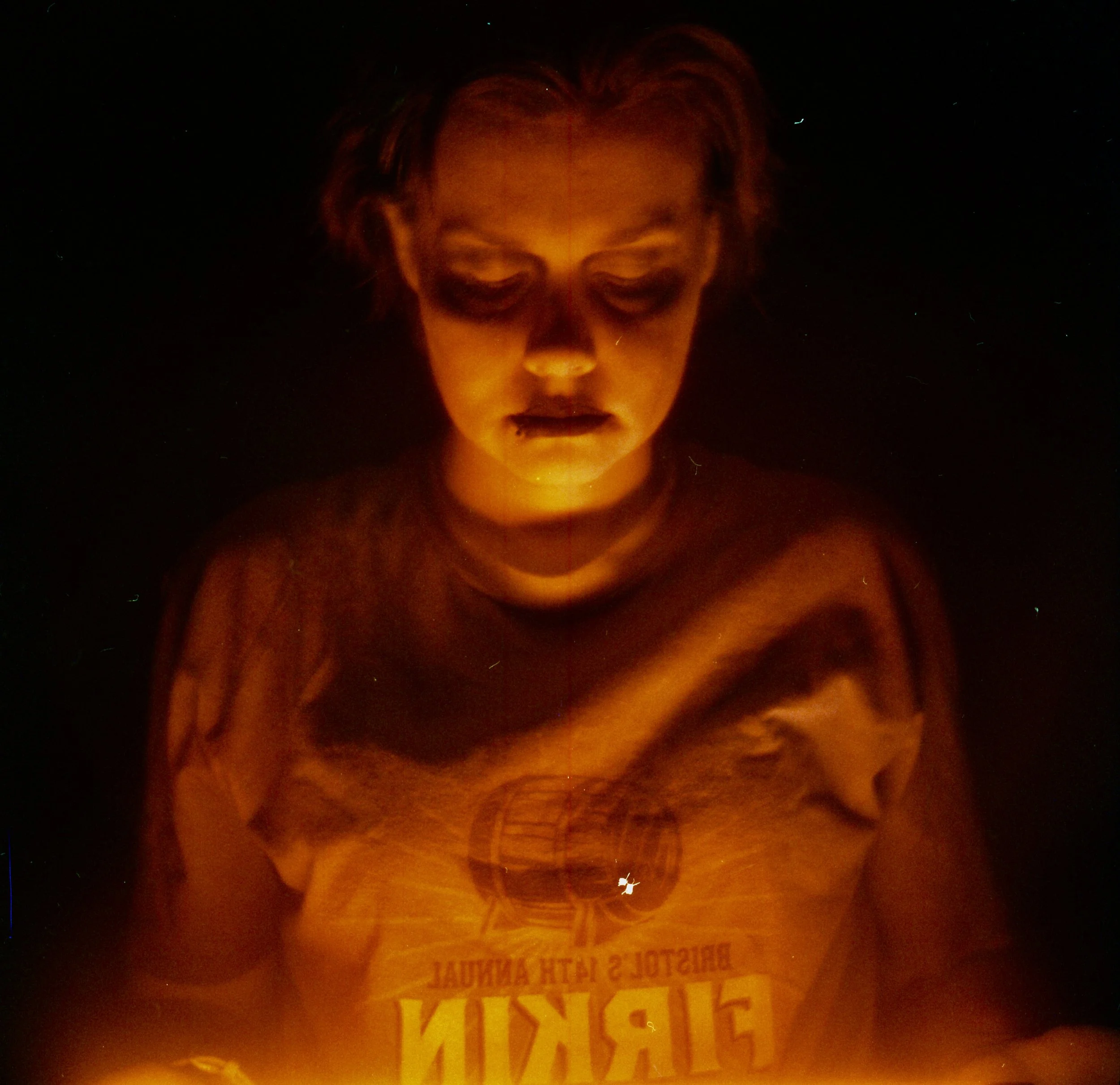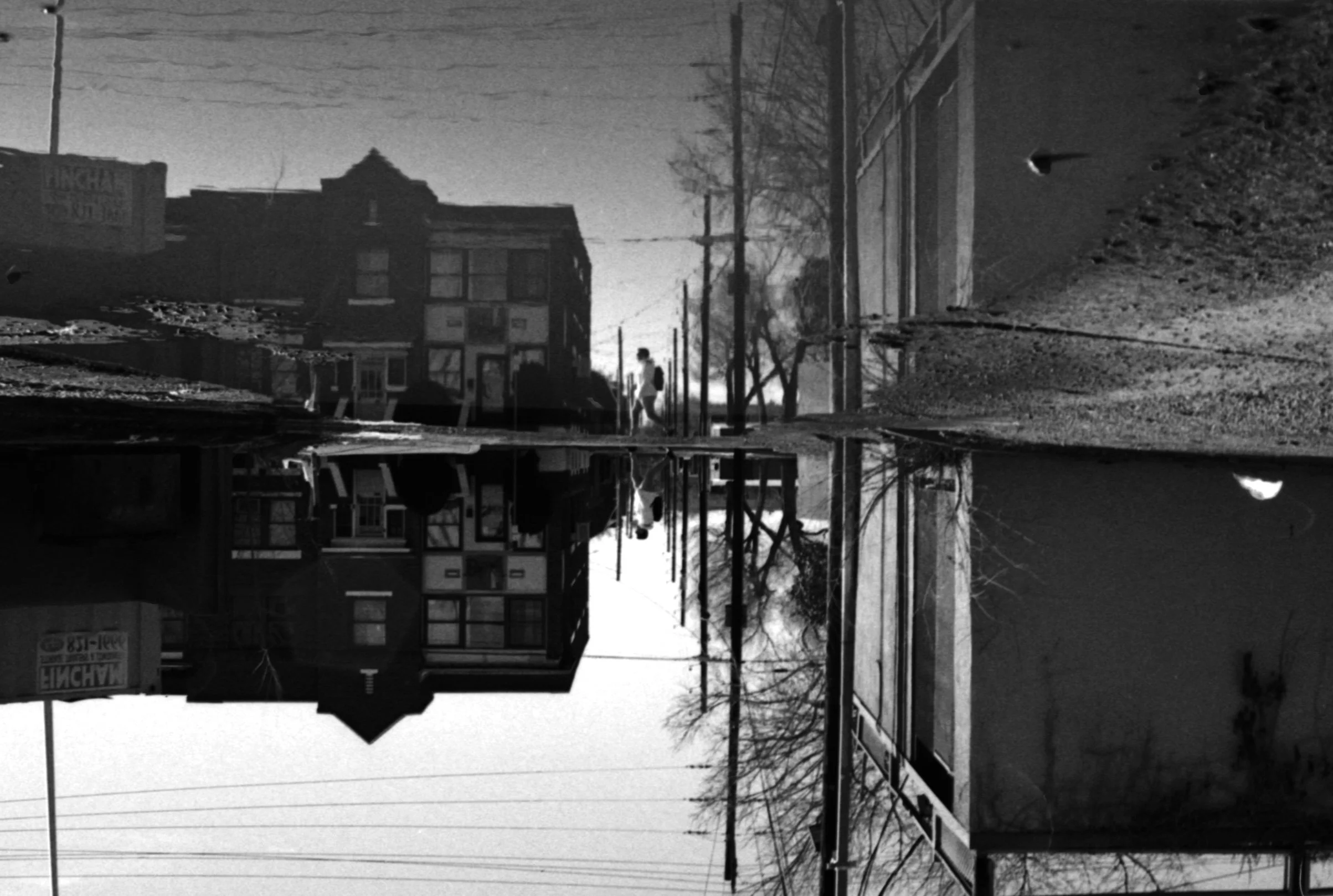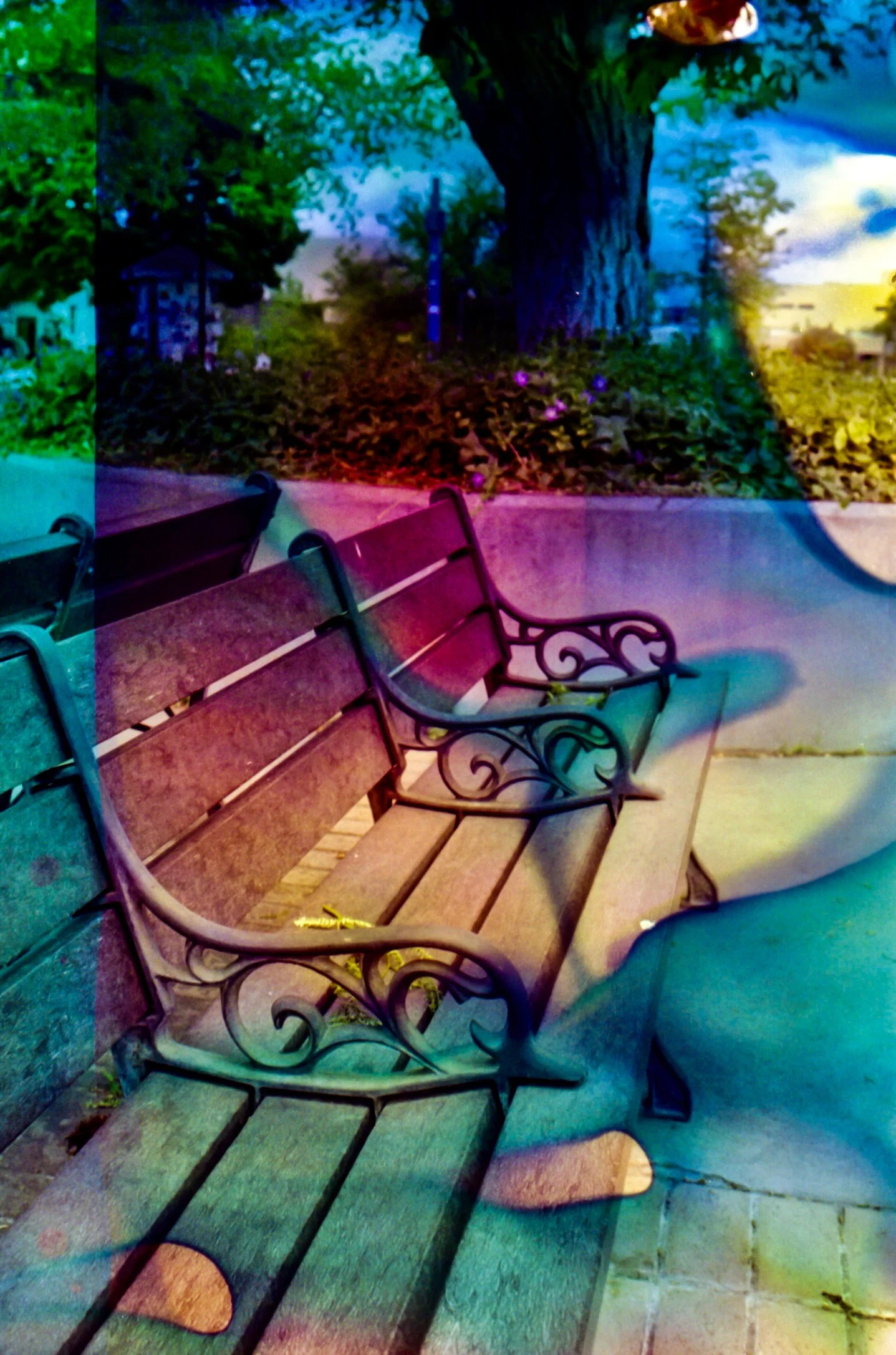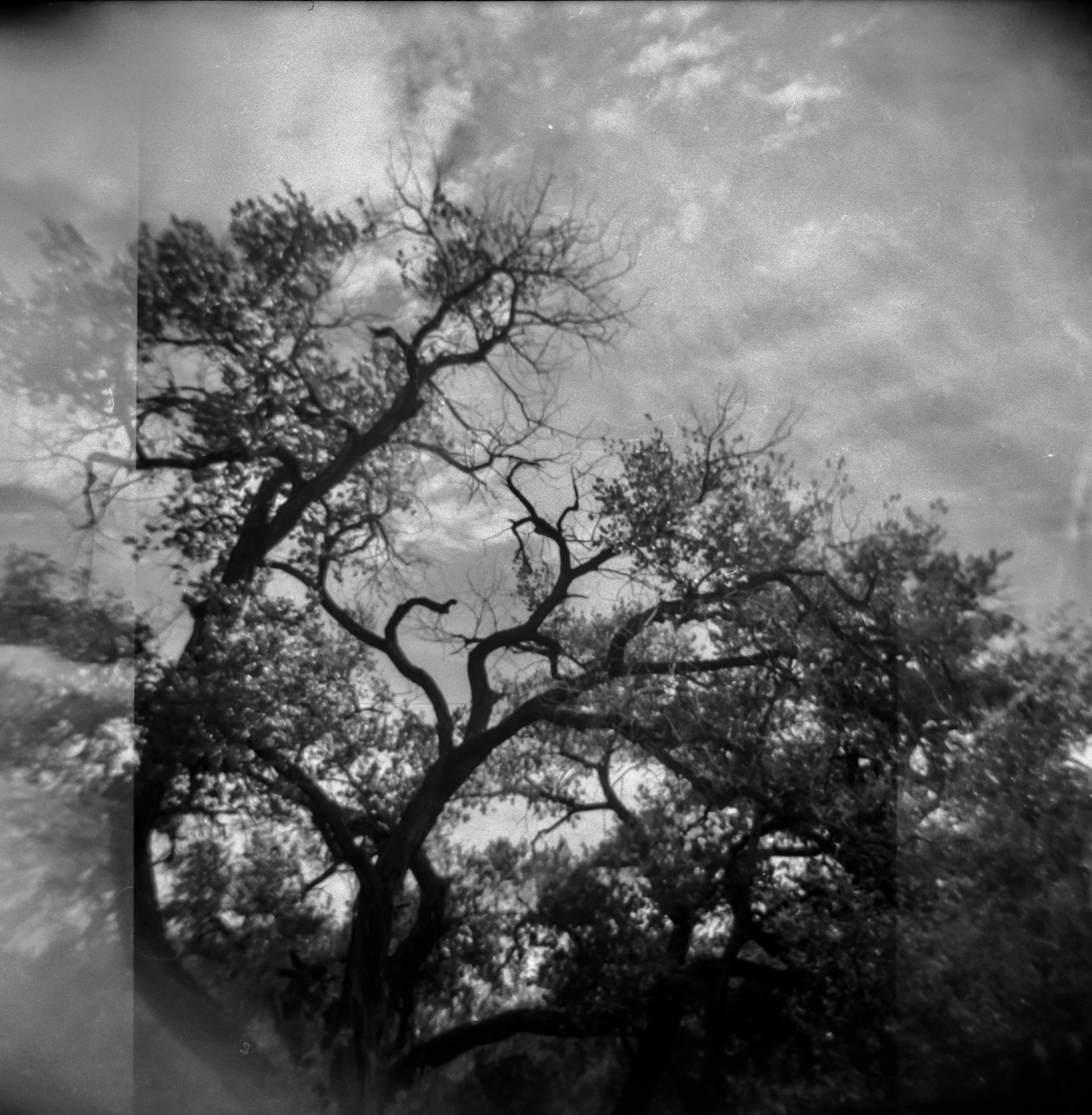
Life Happens Close to You. Moments Captured On Film.
*
Life Happens Close to You. Moments Captured On Film. *
Film Photography and the Influence of Cartier-Bresson, Leiter, Herzog, and Parke
My interest in film photography comes from its combination of creativity, patience, and control. Unlike digital photography, film requires photographers to slow down and think carefully about every exposure. The limited number of frames on a roll of film, the cost of processing, and the time required to develop and print images make every photograph more intentional. These restrictions are not disadvantages; they are part of what makes film photography rewarding. The work of Henri Cartier-Bresson, Saul Leiter, Fred Herzog, and Trent Parke demonstrates how photographers have used these limitations to create powerful and memorable images.
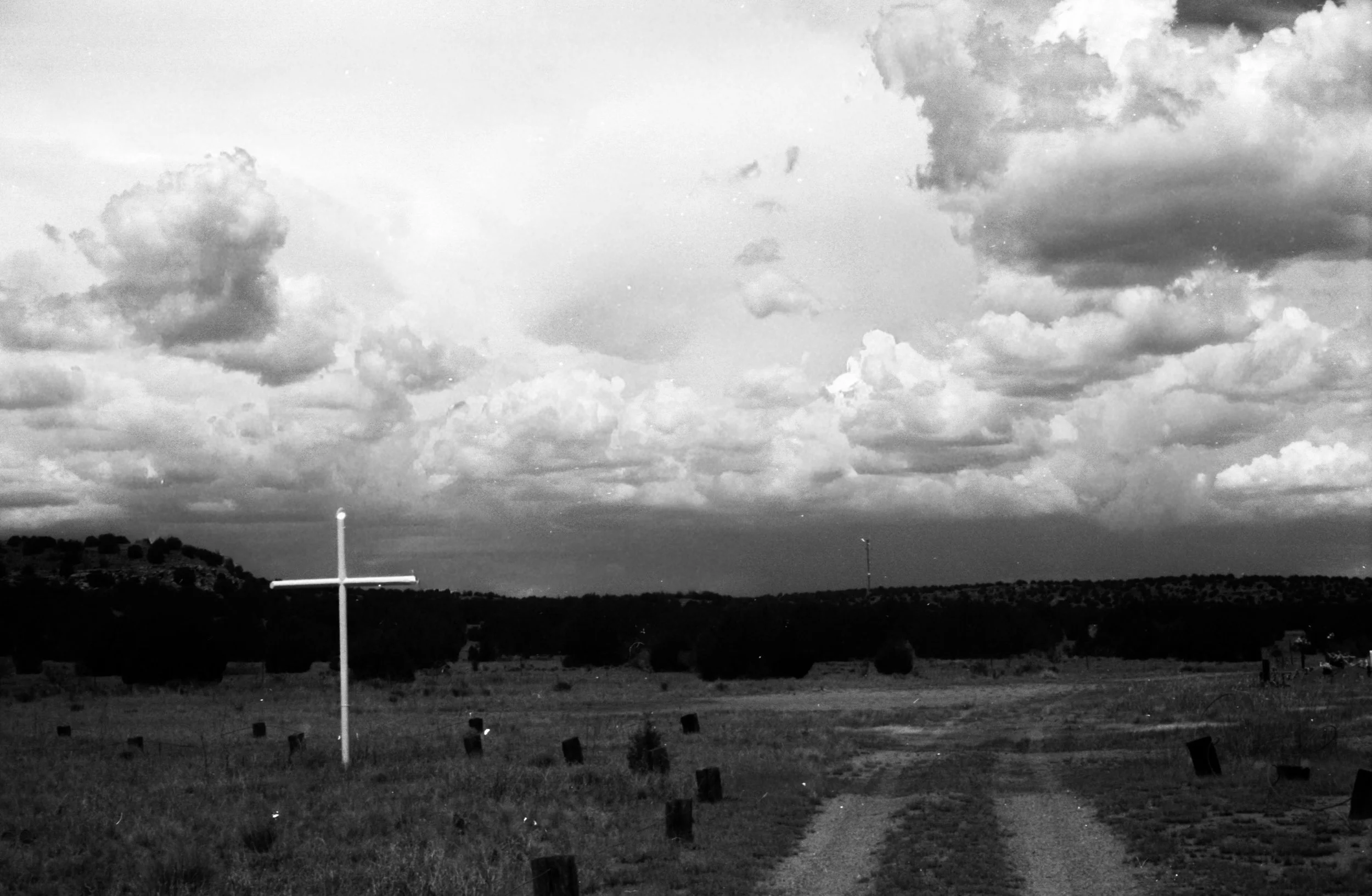
Henri Cartier-Bresson is often considered one of the founders of modern street photography. His greatest strength was his ability to recognize what he called the “decisive moment,” the exact instant when composition, action, and emotion came together. Working primarily with a Leica camera and black-and-white film, Cartier-Bresson showed that photography was not just about recording reality but about seeing it in a unique way. Because film offered only a limited number of exposures, he had to rely on patience, observation, and timing rather than taking hundreds of photographs. His work reminds me that creativity often comes from restraint and careful decision-making.
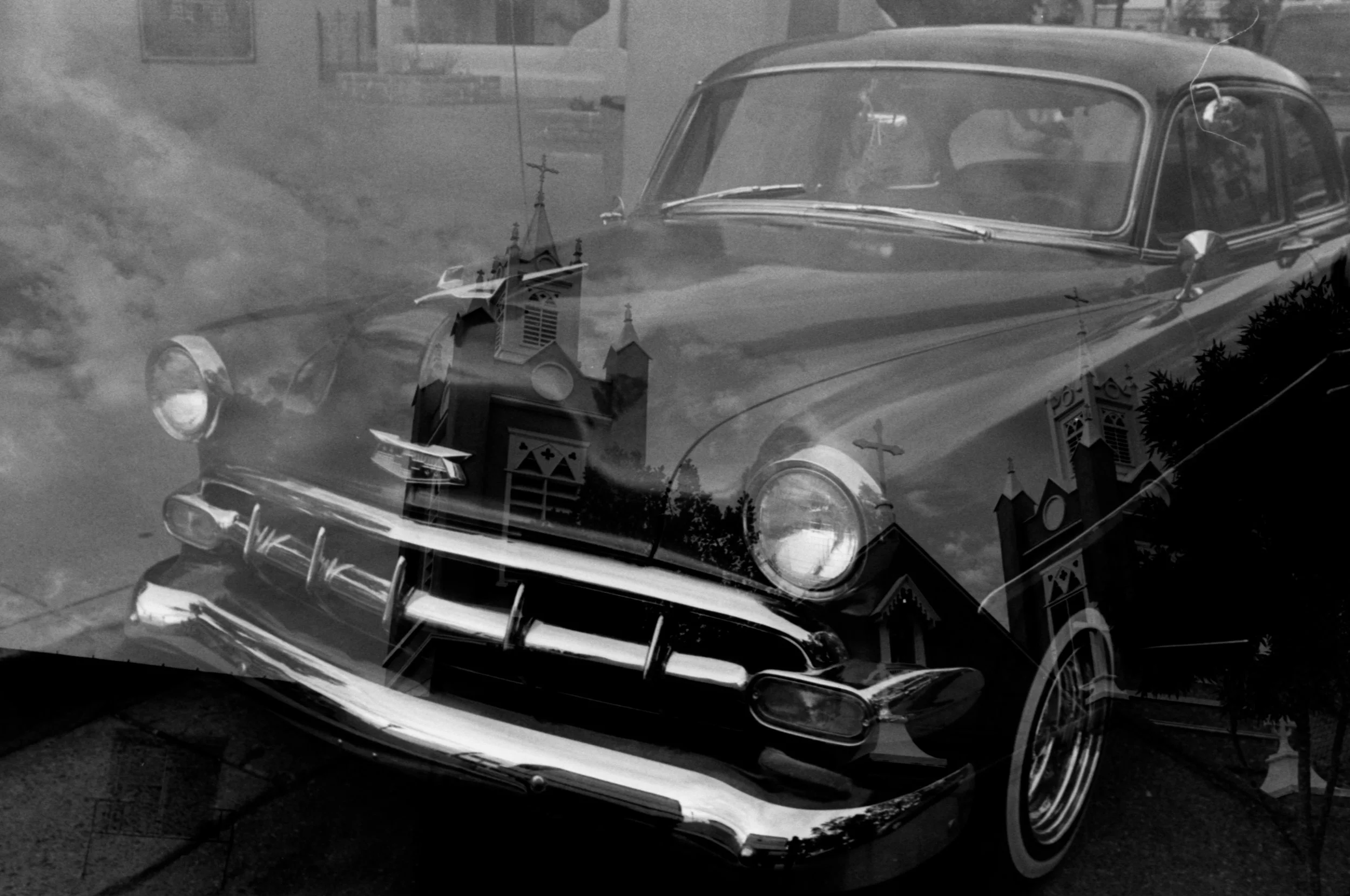
Saul Leiter helped transform color photography into a respected art form. While many photographers of his era preferred black and white, Leiter embraced color film and used it to create images that felt almost like paintings. His photographs often featured reflections in windows, rain-soaked streets, and partially obscured subjects. Rather than documenting events directly, he focused on mood, color, and atmosphere. Leiter’s work demonstrates that photography can be expressive and personal. His creative use of color inspires me to think beyond simply recording a scene and instead focus on creating an emotional response through composition and light.
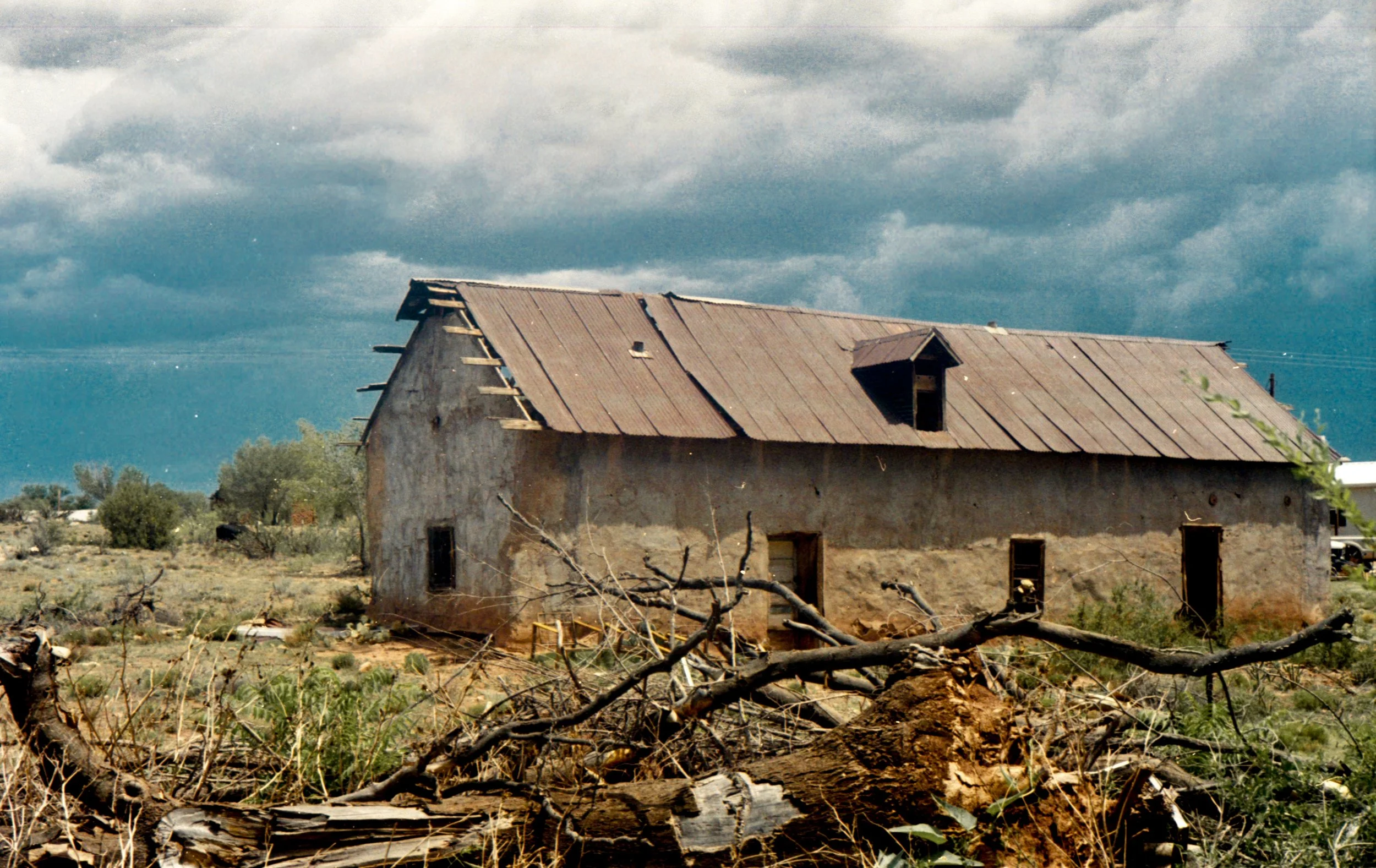
Fred Herzog also played an important role in the history of color photography. Working in Vancouver during the 1950s and 1960s, he used Kodachrome film to document everyday urban life. His strength was his ability to find beauty and significance in ordinary scenes such as storefronts, workers, cars, and city streets. Herzog's images preserved moments that might otherwise have been forgotten. Because he worked with slide film, he had little room for error, requiring careful exposure and attention to detail. His work reflects one of the aspects of film photography that I enjoy most: the need to be deliberate and thoughtful before pressing the shutter.
Trent Parke represents a more modern generation of film photographers. Known for his dramatic use of light and shadow, Parke creates images that are both documentary and deeply personal. His photographs often explore themes of family, identity, and everyday life in Australia. Parke's work demonstrates how film can be used not only to document reality but also to express emotion and personal experience. His images show that limitations do not restrict creativity; instead, they can encourage photographers to develop a stronger artistic vision.
What connects all four photographers is their ability to use the limitations of film as creative tools. Unlike digital photography, where thousands of images can be captured and reviewed instantly, film requires patience and delayed satisfaction. After taking a photograph, the photographer must wait to develop the film before seeing the results. If printing in a darkroom, the process takes even longer. While this may seem inconvenient, it creates a stronger connection to the final image because every stage of the process requires skill and intention.
Another reason I am drawn to film photography is the level of control it offers. The photographer chooses the film stock, exposure settings, development process, and printing techniques. Each decision influences the final image. Rather than relying on software to make corrections, film encourages photographers to understand light, composition, and exposure more deeply. The restrictions of limited exposures and slower workflows make successful photographs feel earned.
The work of Henri Cartier-Bresson, Saul Leiter, Fred Herzog, and Trent Parke shows that some of the greatest photographic achievements have come from working within limitations. Their photographs demonstrate that patience, careful observation, and creative vision are often more important than technology. These qualities are also what continue to make film photography meaningful and appealing today.